

Hotel Renovation Trends: What Owners and Brands Are Prioritizing in Today's PIPs
From tub-to-shower conversions to LVT flooring and connected rooms, here is where renovation dollars are going and what it means for your project.
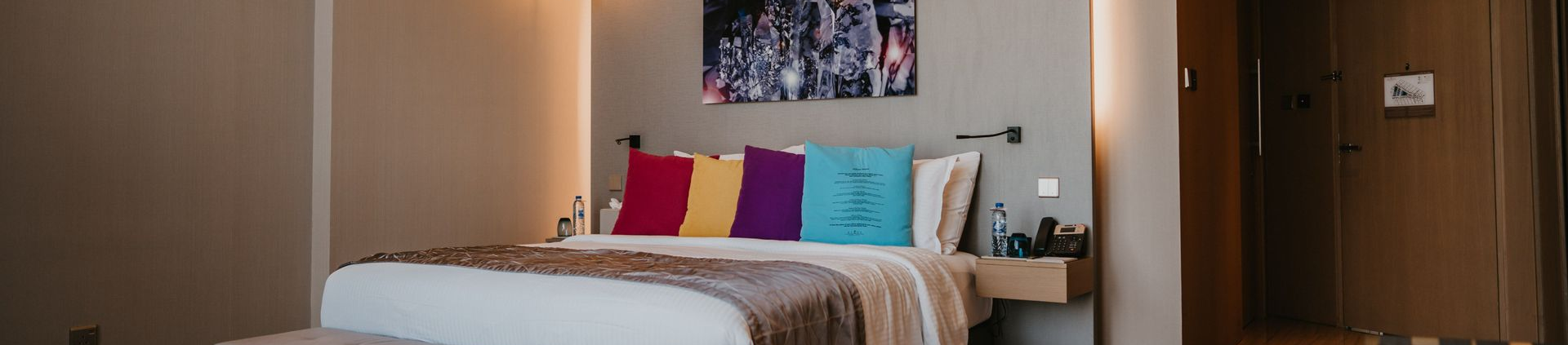
Every brand cycle brings new standards, and today's PIPs look very different from the ones written a decade ago. Whether you're facing a full 20-year PIP or a soft-goods refresh, these are the trends shaping scope and budgets right now.
1. Tub-to-shower conversions
Guests increasingly prefer walk-in showers, and tubs carry a higher slip-and-fall risk. Brands across segments are pushing conversions, often with low-profile pans, linear drains, and glass or panel enclosures. Industry estimates put full conversions at roughly $8,000–$10,000 per room, so how the work is planned and phased has a big impact on cost and downtime.
2. Hard-surface flooring
Luxury vinyl tile (LVT) and vinyl plank continue to replace carpet in guest rooms and corridors. It cleans easily, holds up to traffic, and reads as fresh and modern. The catch: hard floors change room acoustics, so underlayment and sound control need to be part of the scope from day one.
3. Engineered bathroom surfaces
Quartz and other engineered solid surfaces are now common in brand specs for vanities and showers. Guests associate them with cleanliness, and they wear well over time.
4. Connectivity and the "connected room"
Brands are raising Wi-Fi standards, and many older properties need cabling and network upgrades to meet them. Mobile keys and app-controlled rooms are becoming standard expectations. Technology scope is now part of almost every room refresh — not an afterthought.
5. Public spaces that work harder
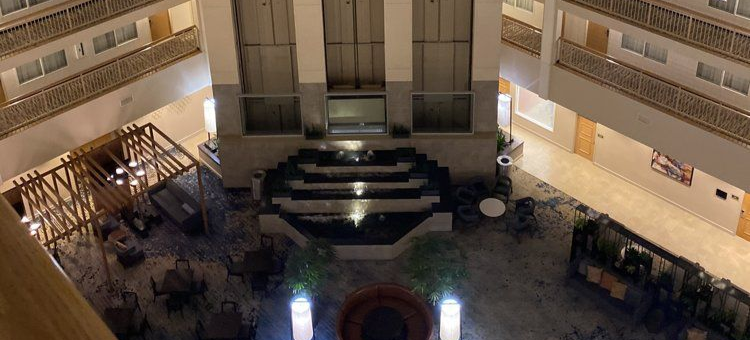
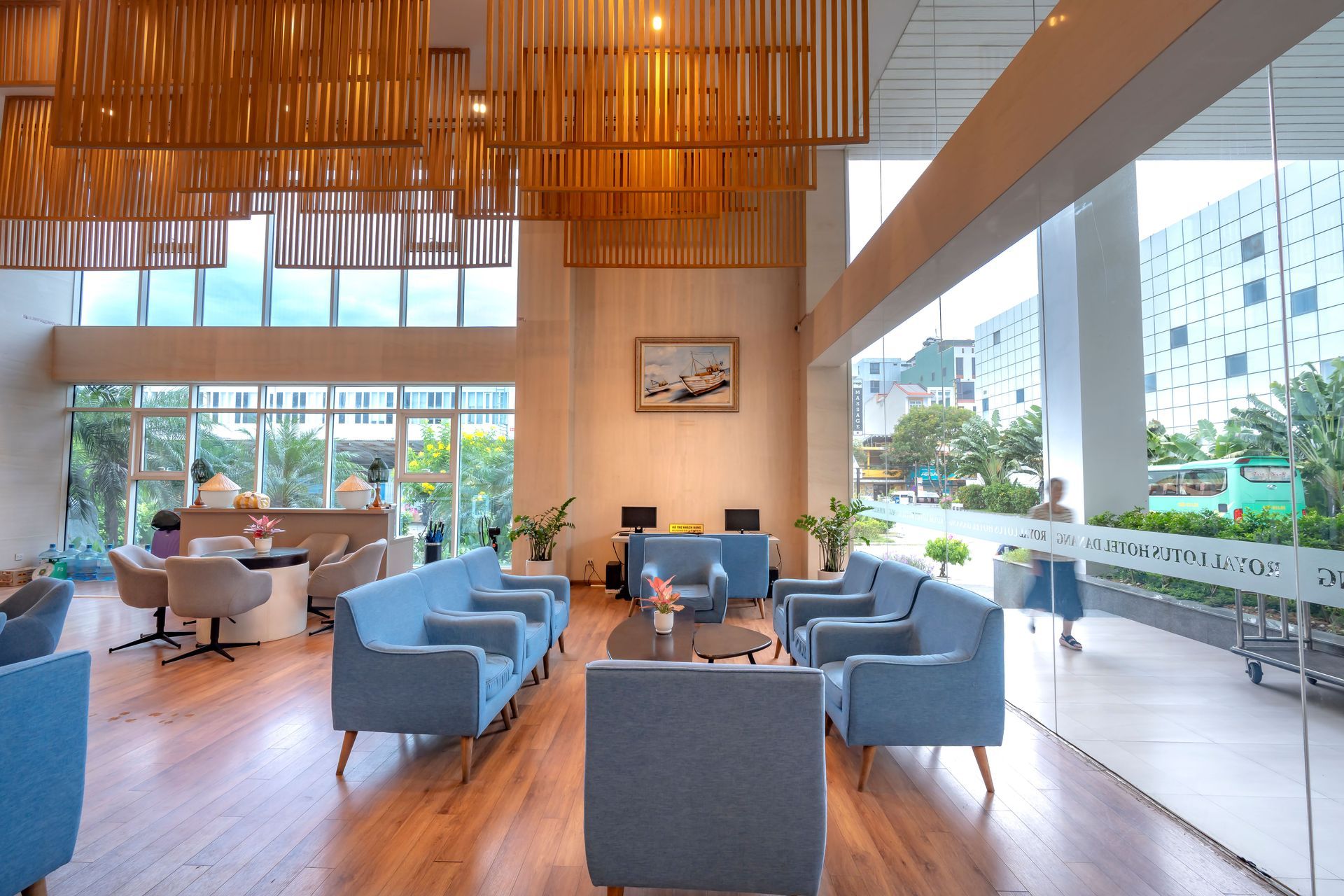
Lobbies, breakfast areas, meeting rooms, and ballrooms are being redesigned for flexibility: places guests can work, eat, and gather. Many PIPs also include mechanical upgrades, such as replacing older PTAC units with more efficient systems.
6. Value engineering and phased delivery
With construction and borrowing costs elevated, owners and brands are paying close attention to value engineering. Some brands have introduced lower-cost prototypes and design packages, and owners are increasingly negotiating phased scopes that keep the hotel open and earning during construction.
7. Earlier planning and procurement
Lead times on FF&E, fixtures, and specialty items can still stretch. Ordering early, confirming specs against brand standards, and coordinating delivery and storage keeps the schedule on track — and keeps rooms out of order for as few nights as possible.
What this means for your project
Today's renovations are more technical and more tightly scheduled than ever. The right contractor reads the PIP line by line, flags what can be value-engineered, sequences the work around your occupancy, and keeps the brand, owner, and operator aligned from preconstruction through closeout.
That's the work Refined Hospitality Solutions does every day — renovations, PIPs, conversions, and CapEx programs for flagged hotels across IHG, Marriott, Hilton, Choice, and Wyndham. If you have a PIP on the horizon, let's talk about scope, budget, and schedule before the clock starts running.
Sources: Hospitality Net, "Renovation Trends: Stylish, Custom & Connected"; Hospitality Investor, "The PIP breaking point" (June 2026).